
Community Nursing Adelaide NDIS
Community Nursing Adelaide NDIS
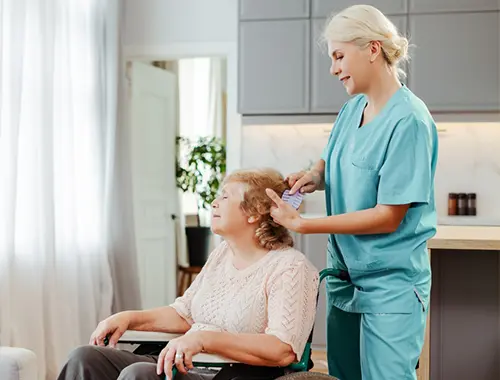
community nursing Adelaide NDIS supports can make daily life safer, calmer, and more manageable—especially when health needs are complex or changing. If you or your family member needs nursing at home, in supported accommodation, or after a hospital discharge in Adelaide (including Salisbury, Elizabeth, Port Adelaide and nearby areas), this guide will help you ask the right questions and choose a provider that prioritises safety and dignity.
When community nursing is the right support
NDIS community nursing is designed for participants who need clinical care delivered by qualified nurses, often alongside disability supports. People commonly seek nursing when they need:
- wound care and pressure injury support
- catheter care and continence-related nursing
- diabetes management (including insulin supports where appropriate)
- medication administration or clinical monitoring
- enteral feeding support under a clinical plan
- help with discharge support and stabilising routines after hospital
For many participants, nursing works best when it’s part of a coordinated approach with OT, physio, and other clinicians. That’s why it’s helpful to look at OT, physio and allied health supports alongside nursing, especially for functional assessments, equipment, falls prevention, and home safety planning.
Nursing vs support work: what’s the difference?
A common confusion is assuming a support worker can do everything a nurse does. In reality, the safest approach is clear role boundaries.
Support workers typically assist with:
- personal care routines (showering, dressing, toileting support)
- meal preparation and household routines
- community access and transport
- prompts and assistance to follow care routines (within training and scope)
These supports are usually covered under high-intensity personal care supports when needs are complex, but the “high-intensity” part must always be governed by a clear plan, training, and safe practice.
Nurses provide clinical care such as:
- wound care/pressure injury management
- nursing assessments and clinical care plans
- medication management/administration (as clinically required)
- diabetes supports (including insulin as appropriate)
- catheter and stoma-related clinical care
- training and competency sign-off for delegated tasks
- clinical reporting and liaison with GPs and specialists
If you’re comparing providers, ask how they manage nurse oversight, staff training, documentation, and escalation pathways.
High-intensity care: the questions Adelaide families should ask
When needs are complex, the quality difference comes down to systems, not promises. Here’s what to ask:
1) What assessments happen before supports start?
Safe providers will begin with a nursing assessment and ensure risks are understood (skin integrity, continence, mobility, swallowing/mealtime risk, medication safety, behaviours of concern). They should also explain how plans are reviewed when needs change.
2) Who does what—and what is nurse-only?
Clarify what tasks are nurse-only versus what may be delegated after training. For example, complex wound care is typically nurse-only, while some tasks may be possible for trained workers under a nursing care plan (depending on risk and clinical governance).
3) How do you handle after-hours needs?
Community nursing can be available across the week, but it’s not usually a walk-in 24/7 model. Ask what after-hours on-call exists, what situations it covers, and what the escalation process is in an urgent situation.
4) How do you coordinate equipment and home setup?
Many clinical issues become easier with the right equipment and environment. Ask whether they can guide assistive products for safety and daily living and link in home modifications for safer access when required—especially after falls, sudden decline, or discharge.
5) How do you communicate with families and other professionals?
Strong nursing support includes clear reporting, coordinated care, and a practical plan that families can understand. Ask how updates are shared and how consent and privacy are managed.
Where community nursing can be delivered
Community nursing can support participants in:
- their own home or family home
- shared living environments
- supported accommodation such as SIL setups
- during respite stays when clinically safe and planned
- transition periods where routines need stabilising
If you’re unsure which model fits best, start by reviewing high-intensity personal care supports to understand how personal care and clinical nursing can work together safely.
Pricing, travel, and what to budget for
NDIS-funded supports are charged in line with the current NDIS Pricing Arrangements and Price Limits. In Adelaide, travel and transport are often part of real-world service delivery—especially when you need home visits.
If you need supported travel for appointments, it’s useful to understand how transport support is typically delivered (worker car, participant car, taxi/rideshare, public transport, wheelchair-accessible options where required) and how charges are applied under NDIS rules.
For day-to-day stability between nursing visits, many participants also use practical help at home between nursing visits such as domestic supports or routine assistance. It’s often the combination—clinical plus daily support—that reduces stress and prevents escalation.
How Empowera approaches complex nursing support
Empowera’s approach is grounded in safety, dignity, and person-centred care. Nursing supports are planned with clear clinical oversight, appropriate training and delegation where suitable, and collaboration with other clinicians when needed.
If you have multiple providers involved (nursing, allied health, support workers, housing), you may also benefit from help implementing complex supports through Support Coordination (self/plan-managed), which can help keep services aligned to your goals and reduce the “chasing everyone” burden.
You can also learn more about trauma-informed, respectful care through the About page, especially if you’re looking for a provider that is culturally mindful and focused on choice and control.
Ready to discuss nursing supports in Adelaide?
If you need community nursing in Adelaide—north, west, or surrounding areas by arrangement—reach out and tell us what you’re dealing with, what support you already have, and what you want to feel more confident about. The next step is a conversation about fit, safety, and the best way to build a reliable plan.
Call 0413 131 734, email [email protected], or use the talk to our team about your needs Contact page to get started.